
How a YouTuber Turned 10‑Minute Videos into a Film Career – Film Daily
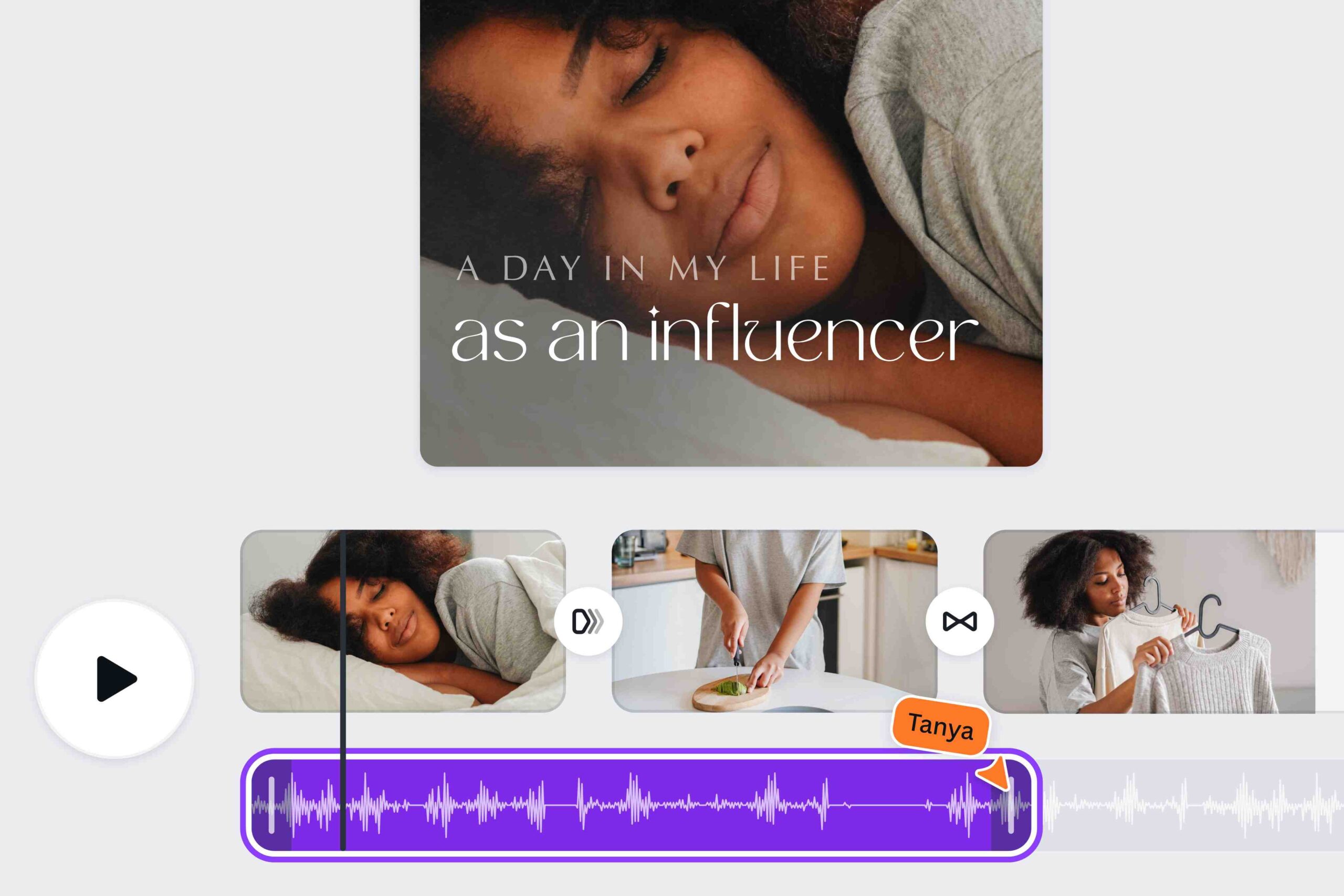
I started in the traditional short content like commercial, short film and music video. I was trying to find a way to get into the feature film world and become more involved in the narrative content. I found a Youtube channel called LoveBuster which has millions of views and their videos are all about 10 minutes long. Around that time, I also saw some vertical content from ReelShort, which inspired me to create short content in both vertical and horizontal formats.

Because phones changed the way people watch. Portrait storytelling feels immediate and intimate. The character is closer to the viewer, and emotion reads faster. For romance, melodrama, betrayal, and conflict, that closeness works very well commercially.
Clear emotion, fast conflict, strong hooks, and characters whose choices make sense. The audience needs to understand the emotional stakes within seconds. Every episode needs a reason to continue watching
I treat every episode like a compressed emotional arc. You need a hook at the beginning, escalation in the middle, and a strong turn or cliffhanger near the end. There is very little room for slow setup, so every scene has to move either the plot or the relationship forward.

It proved that commercial success is not only about big twists, dramatic slapping. The audience still cares about character motivation and story logic. If the emotion is strong but the character behavior does not make sense, people drop off. That project showed me that fast storytelling still needs a solid foundation.
Because the format is built for quick emotional reaction. Viewers are watching on phones, their attention is easily distracted. They only have about 3 seconds of attention for each piece of content. If you can’t catch their attention, they will swipe away immediately. Subtle storytelling can work, but it has to be translated into clear visual and emotional beats.
By building a system. We handle development, adaptation, production, and post in a very organized workflow. The speed comes from preparation, not from lowering standards. We know what matters most on camera: casting, performance, visual element, pacing, and clear story logic.
A strong vertical script gets to the point faster. It has clearer emotional turns, more frequent hooks, and less atmospheric buildup. Traditional scripts can spend more time on mood and silence. Vertical scripts need immediate conflict and strong episode endings.
The emotional core is the same: love, betrayal, power, family, revenge. But the character logic has to be localized. U.S. audiences may respond differently to gender roles, workplace power dynamics, family pressure, or moral choices. You cannot just translate the words. You have to adapt the behavior.
Character motivation, natural dialogue, casting, cultural details, and relationship dynamics. The story can keep its high-emotion structure, but the world has to feel believable to local viewers.
The U.S. has strong mobile viewing behavior (you can see that via the success of Tiktok), high spending potential, and a huge demand for fast entertainment. It is also a difficult market, so if a platform can succeed here, it proves the format has global potential.
I look beyond appearance. The lead needs to understand rhythm, emotion, and camera intimacy. In vertical drama, a small reaction can carry a scene because the frame is tight. I look for actors who can deliver emotion quickly without overacting.
Since the camera is so close to them. Their subtle facial expression become the most important part. how they differentiate characters in similar stories, and how they make the audience believe the relationship in such a short time, really matters. They need to make viewers care fast. A good lead does not just look right; they make the audience believe the fantasy and keep watching.
It has created more lead roles, more recurring work, and more chances for actors to be seen by large audiences. Many actors who might wait years for a traditional breakout role can now build strong screen experience quickly.
Los Angeles gives us access to professional crew, actors, equipment, locations, and production standards. That helps vertical drama look more cinematic, even when the schedule is fast and the budget is tight.
We plan the look before we shoot. We use standing sets, controlled environments, practical lighting, and efficient blocking. Cinematic lighting is not always about using more lights. It is about knowing where the emotion is and shaping the frame around it.
They either treat it as “too easy,” or they try to make it like traditional film. Both are mistakes. Vertical drama has its own rhythm, frame, audience behavior, and commercial logic.
They are connected. Good monetization comes from keeping people emotionally invested. If the story only chases clicks and the characters stop making sense, the audience eventually leaves.
All three matter, but retention and revenue tell you more. Views show reach. Retention shows whether people care. Revenue shows whether the story is converting attention into real value.
Platforms understand audience behavior very closely. Their data influences pacing, genre, episode structure, and hook placement. But the creative challenge is using that data without making the story feel mechanical. So the platform always trying to exploring new genres and character types. Whether from novels or original development.
The ceiling is still growing. As the format becomes more competitive, budgets will rise for stronger casts, better sets, and higher production value. But the key advantage will still be efficiency. The return has to justify the speed and scale.
We built a full-cycle production workflow. Development, adaptation, casting, production, and post are connected instead of separated. We have our own casting list, location and stable crews. That lets us move quickly while keeping the process controlled.
Coexisting. Traditional film and vertical drama serve different viewing habits. One is not simply replacing the other. Vertical drama is creating a new lane for mobile storytelling.
I do not think it is a fad. The current version will evolve, but vertical scripted storytelling is here to stay. In five years, I think vertical drama will be more professional, more global, and more integrated into the entertainment industry.
My name is Xiangwu (Carol) Xie, a Los Angeles–based director and producer. I am the founder of Ahah Lava, a full-cycle production company focused on vertical drama series, and Film Stamp, a standing-set film studio.
Vertical storytelling has rapidly become one of the fastest-growing formats in digital entertainment. Recent industry reports estimate the global vertical drama market surpassed $6–7 billion in 2024, with the U.S. emerging as one of the fastest-growing markets for micro-drama content.
Several projects I directed and produced have gained strong traction on global platforms, including Got Pregnant with My Ex-Boss’s Baby (12M+ views on YouTube) and The Mafia Boss’s Runaway Bride (1.9M+ views on YouTube). Since 2023, our team has worked with leading vertical drama platforms such as ReelShort, DramaBox, and NetShort, maintaining a steady output of one to two series per month.
I believe this could be an interesting angle for a feature or interview on the rise of vertical series, cross-border production, and how independent filmmakers are adapting to this emerging format.
If this topic aligns with your editorial interests, I would be happy to share additional materials or discuss further.
Thank you for your time and consideration.
Here are some previous interviews related to this topic:https://www.globaltimes.cn/page/202507/1337640.shtmlhttps://www.hollywoodreporter.com/business/business-news/reelshort-verticals-hollywood-shoots-employed-1236263030/
In the first quarter of 2025, global in-app purchase revenue for short drama platforms surged to nearly $700 million – a staggering fourfold increase compared to Q1 2024, according to data from Sensor Tower, a San Francisco-based analytics and market intelligence platform. Short drama app downloads have also skyrocketed, with global figures exceeding 370 million in Q1 2025 – a 6.2-fold increase from Q1 2024. As of March 2025, cumulative downloads for short drama apps globally neared 950 million, the platform said.
“Over the past few weekends, I binge-watched short dramas on my couch every day. They are so engrossing!” Steve Todd, a short drama enthusiast from the US told the Global Times. His experience represents a growing obsession in the US.
Amid an explosive growth of short dramas, the US has emerged as the indispensable battleground for international short drama platforms seeking dominance overseas. In the global short drama app revenue landscape, the US witnessed a 20 percent quarter-on-quarter growth in Q1 2025, nearing $350 million and contributing 49 percent of the global total – cementing its status as the highest-revenue market, according to the Sensor Tower.
As the short drama trend sweeps across the US, industry players are racing to expand overseas footprints.
On the streets of Los Angeles, Western actors run through their lines as a Chinese-led short drama crew bustles with activity. They’re producing short dramas mirroring the plots of short dramas prevailed in China – the same addictive plots, the same melodramatic twists, but now starring all-foreign casts. These Western-remake sensations are exploding across platforms.
Co-crafting dreams
Previously focused on short films and commercials, the trajectory of Xie Xiangwu, a graduate with a film degree from Savannah College of Art and Design, shifted in early 2023.
Xie and her partners noticed several YouTube accounts were producing content akin to short dramas welcomed in China – each episode a roughly 10-minute self-contained story, often with melodramatic twists. What caught their eye was that these clips raked in massive views in the US, even when shot in landscape format, averaging between 1 million and 10 million views per video.
“The rise of social media platforms like TikTok has made people accustomed to scrolling through videos on their phones,” Xie said. “Could producing short dramas in portrait format – popular in China – be a new opportunity?” With that question in mind, Xie embarked on her journey of producing short dramas.
Xie told the Global Times on Tuesday that she soon realized there’s a knack to shooting short dramas. While traditional shoots demand intricate shot design, short dramas prioritized dialogue-driven and straightforward narratives that resonate with audiences.
The condensed production cycle is another feature. Projects now move from concept to delivery in just two or three months, she noted.
Now, Xie co-founded a Los Angeles-based short drama studio called Ahah Lava, emerging among the earliest directors to export short dramas. Her studio has produced 15 series to date, with Got Pregnant With My Ex-boss’s Baby achieving viral success: 12 million YouTube views and 40 million plays within four days of its TikTok premiere.
The booming US short drama market has also revitalized some Hollywood actors, with once-cameo performers now stepping into lead roles.
Thirty-four-year-old Esser, who had pursued acting studies on the side and appeared in low-budget short films without garnering significant attention, unexpectedly achieved international recognition through short dramas, domestic media outlet Caijing magazine reported.
In 2023, he acted as a male lead in the globally viral Fated to My Forbidden Alpha and an overbearing CEO in Goodbye, My CEO, propelling him to stardom. Now, Esser has amassed legions of fans worldwide, becoming a heavyweight in the short drama scene, according to the report.
“I receive new casting offers every few days,” Esser said. “Short dramas have expanded my opportunities, bringing me closer to my dream of being a movie star.”
A former Hollywood performer now working in short dramas also told the Global Times that the industry-wide strike had left her with barely any roles over the past two years. “Short drama series have not only allowed me to sustain my livelihood. They’ve also reignited my passion for the craft,” she said.
Xie also noted the intensifying competition among short-drama actors. “In the current US market, 500 to 700 auditions for a lead role are common. Candidates will undergo three to four rounds of screenings before finalizing each lead candidate.”
She added that top-tier short drama actors command a daily rate of approximately $2,000, with additional pay for overtime hours.
Choosing filming base
Regarding the surging popularity of short dramas in the US, an industry insider told the Global Times that he attributes it to the synergy between China’s rich pool of short drama scripts and the US’ high-caliber film and television resources. One short drama produced by the insider has grossed over $35 million at the box office, shattering 2024 industry records, despite an initial production budget of just $200,000.
He noted that regardless of genre, a short drama’s viral success hinges on rapid plot twists and heightened emotional beats. As the primary source of these core elements, according to the insider, China’s vast repository of scripts readily meets global market demands.
“With these essential components already perfected, our focus shifts to strategic localization and delivering them to our clients, which are accelerating production timelines,” he said.
Echoing the insider’s remarks, Xie noted that Los Angeles, a global hub for filmmaking, boasts abundant film and television resources. She said that many behind-the-scenes crew members boast Hollywood feature film credentials, with extremely detailed and systematic processes for pre-production work.
“From listing costumes and props to refining ideas, they are meticulous and provide us with substantial support, which helps elevate the overall quality,” she said.
Xie also said that, influenced by their previous work, the local cinematographers they’ve hired retain a cinematic quality in their lighting, which is “a critical value-add for short-drama production.”
Given that the budgets for shooting in China and the US are roughly comparable, the ability to enhance the texture of short dramas by filming in the US is among the considerations for directors and actors.
Both Xie and the insider believe the short drama market in the US boasts a promising future, viewing current developments as a beginning. “From what I know, some top-tier platforms are already eyeing the short drama market, and more and more local platforms will be gearing up to enter it,” Xie added.
Xiangwu Xiehttps://www.imdb.com/name/nm10651322/?ref_=nv_sr_srsg_0_tt_4_nm_4_in_0_q_xiangwu
Founder of Ahah Lavahttps://www.instagram.com/ahah_lava/
Film Stamphttps://www.instagram.com/film_stamp/

• Name: Xiangwu Xie (Carol)

• Short biography:

Seven years of film production experience, skilled in producing, directing, and acting. Xiangwu Xie’s extensive acting experience has given her a precise eye for directing and casting.

Over the past few years, she has successfully produced dozens of short films, commercials and music videos, with her short films being recognized by numerous film festivals. Such as Cannes World Film Festival , Flicker’s Rhode Island International Film Festival, NewFilmmakers NY Film Festival and Student Los Angeles Film Awards.
The web mini-series she directed, “Got Pregnant With My Ex-boss’s Baby” reached over 12 million views on Youtube and ranks No. 1 in revenue on SnackShort. “The Mafia Boss’s Runaway Bride” has over 1.9 million views on YouTube. These achievements reflect not only her strong understanding of audience preferences but also her outstanding ability to create commercially successful digital content. Further proving her exceptional directing talent. She specializes in delving into the subtle layers of a story’s emotions and skillfully producing and directing actors to bring those emotions to life on screen.

• Links to projects or IMDb:

https://www.imdb.com/name/nm10651322/?ref_=nv_sr_srsg_0_tt_5_nm_3_in_0_q_xiangwu%20xie

• Social media links:https://www.instagram.com/xiangwu_xie/?hl=en
Production company: https://www.instagram.com/ahah_lava/?hl=en
Standing set studio:https://www.instagram.com/film_stamp/?hl=en

• Link to a showreel or teaser if available: https://xangunosiren.wixsite.com/xiangwu

Related posts





Latest Post





No Comments