
How a Cross-Cultural Producer Elevates Documentary Storytelling – Film Daily
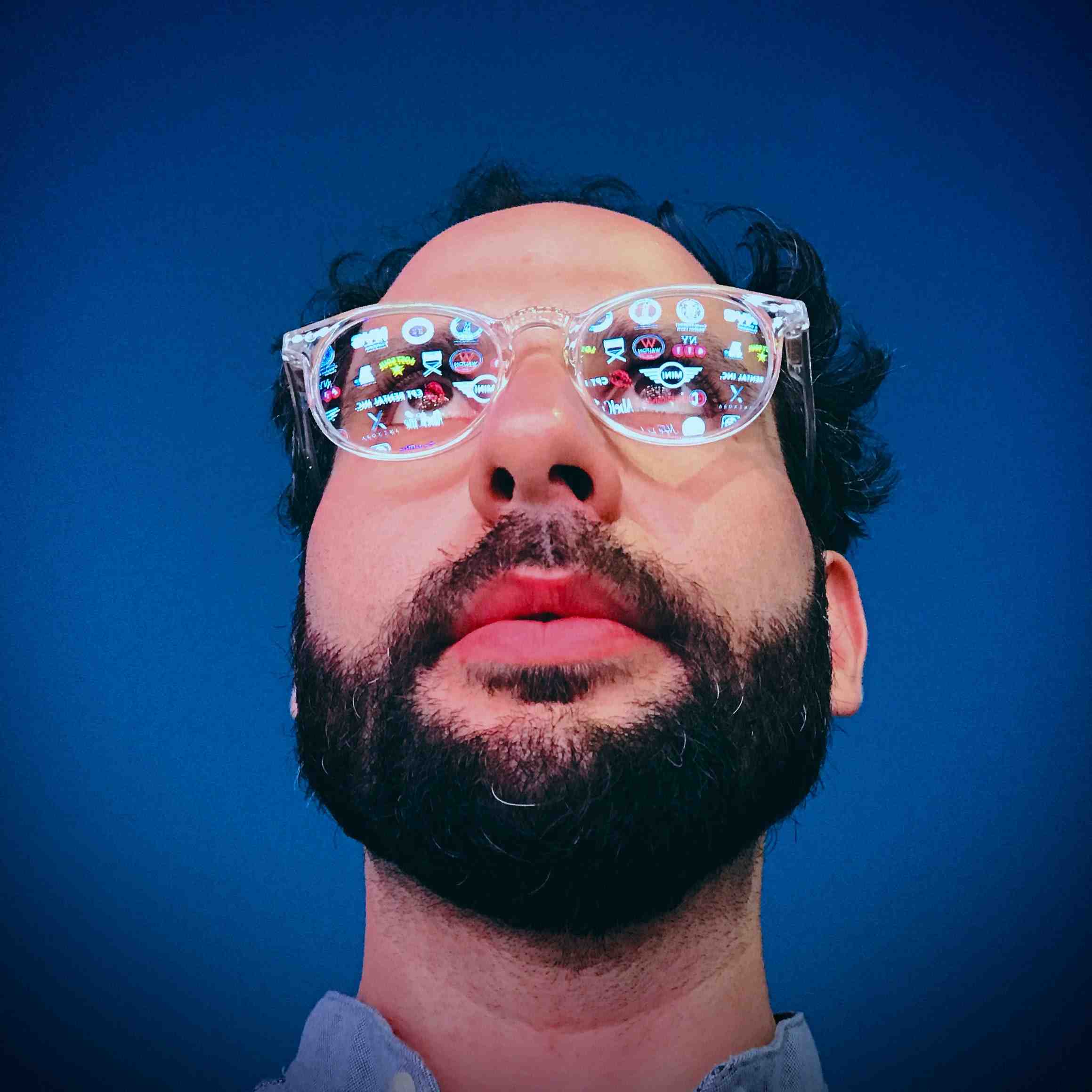
At a time when the entertainment industry is grappling with questions of access, representation, and what kind of stories truly connect, WW has quietly built an award-winning body of work that offers a poignant answer. Her documentaries don’t just examine pop culture’s ability to connect — they become cultural events of their own, from theatrical releases across global markets to primetime HBO premieres reaching millions of viewers. With films screening at Sundance, Tribeca, and Telluride, earning Emmys, Grammys, an Oscar shortlist among other recognitions, WW has emerged as a distinctive voice in documentary producing. From Pavarotti to the Bee Gees, from the Apollo Theater to a Chinese restaurant in East LA, her work moves across class, race, and national borders with a producer’s instinct for the human story and a unique point-of-view on the democratizing power of popular arts.
—-
Q :You’ve called yourself a “child of pop culture—raised by movies, TV, and pop music.” Was there a specific moment when you stopped thinking of pop culture as just fun, and it clicked that this was something you wanted to pursue as a career?
A: I grew up watching TV and was always drawn to the storytelling of it. But the real click happened when I discovered English-language films and TV shows that specifically explored the struggles of minority groups — how they documented and represented those struggles, and by simply telling those stories, they were raising awareness, breaking down stereotypes, and affecting real-life changes. That opened my mind to the true power of storytelling. Any art form is storytelling, but I believe pop culture and popular art forms have a special kind of magic in terms of reaching people where they already are.
Q: How did you go from that realization to actually producing documentaries in Hollywood?
A: Once I realized this was what I felt passionate about, I decided to go to film school. When I was just finishing the last year of film school, I wanted to explore the LA film scene and was looking for opportunities with production companies. I came across White Horse Pictures, and they had a full slate of both narrative feature films as well as feature documentaries in development. After joining the company, I immediately started working on the documentary The Beatles: Eight Days a Week directed by Ron Howard. I didn’t grow up with the Beatles’ music, but through making that film, I became deeply captivated by their artistry and their story. That’s when I really started to delve deep into this genre.
Q :Your first credit was producing on a multi-million dollar project right out of the gate after moving to Los Angeles full-time. You then became an integral part of the core producing team at this prestigious company for the next few years, working on projects of the same scale. What do you attribute that fast trajectory to?
A: I think it’s a combination of hard work and being true to my own passion—knowing what I do best. I quickly discovered that I had a strong instinct for documentary storytelling. For example, I would read thousands of pages of archival material and watch hundreds of hours of footage. Then, sitting in a writing meeting, discussing a theme we wanted to explore, something I’d read or watched would suddenly surface—almost calling out to me. I would know, intuitively, that this piece of material or this story beat had to be in the film because it would carry maximum emotional impact. It would make clear to the audience the ethos we hoped to convey. That instinct—being able to recognize the human moment—is what I think got me noticed early.
Q: You’ve worked with an incredible roster of Hollywood’s finest, from your directors Ron Howard, Roger Ross Williams, to Frank Marshall, Amy Poehler, as well as a truly star-studded panel of interviewees featured in the films — Paul McCartney, Bono, Pharrell Williams, Mary J. Blige, just to name a few. Looking back, what does it mean to you to have earned a seat at that table so early in your career?
A: Obviously, I was incredibly happy that my creative abilities were seen and that I was involved in projects with this level of talent. Beyond the validation though, that seat at the table meant responsibility and pressure. Working with people of that calibre, I constantly challenged myself to bring my A-game and to take every opportunity to absorb everything happening around me, to learn from the best in order to polish my craft.
For example, every director I’ve worked with brings a unique perspective, and what I’ve realized is that even at the highest level, the best collaborators are the ones who stay curious and remain open to the story revealing itself. They don’t assume they already know the answer. And that is a lesson I carry into every project.
With the interviewees, aside from the amazing perspectives they brought to the films, I’ve also found that the biggest stars in this industry were ones who have a true passion for their art. One time we were interviewing someone who I’d consider one of the biggest pop stars today. He was running a bit late from a previous schedule and was clearly exhausted from the day, but the moment he sat down and started talking about the subject matter of our film, there was just a twinkle in his eyes. He was talking about a figure who inspired his own journey, and I could feel the love coming through his every word. That was truly inspiring to witness — it reminded me to never lose sight of the passion, no matter what stage of my career I’m in.
Q: Looking at your filmography, you’ve told stories that span Italian opera, British pop, African American music history, Cuban-Latin culture, and quintessential American television from a very different era – what draws you to these subjects? When a subject’s cultural roots are far from your own, how do you find your way in as a producer?
A: I always start with immersive research. As a rule, we devote an almost shocking amount of time to gathering everything there is — biographies, interviews, news reports, footage, photos, and I like to immerse myself in it all as a foundational step of my creative process. Beyond building a comprehensive media database that our team can then play with in editing to build the bulk of the film, this is more importantly about becoming so familiar with the subject that I can naturally find a true way to relate to them on a very personal level. That’s especially true when it comes to a subject matter rooted in a culture that’s not my own. So it’s an essential step in the production, before we even prepare to write the outline for a film and develop it further.
I’ve always had this approach that may be somewhat unusual: the best way to evaluate the power of any pop culture work—regardless of genre—is through its characters. As a storyteller, if you succeed in making an audience member truly feel for and relate to the characters on a human level, then you succeed. This principle is especially useful when making documentaries about iconic cultural figures. At the end of the day, it’s about an artist, a human being, using their talent to communicate their beliefs and emotions to the world.
And that’s why I believe in pop culture’s ability to connect people across real-world divides, whether it’s geographical, political, or cultural. And in turn, it’s what draws me to these subjects and this genre of documentary filmmaking. As a storyteller, I constantly remind myself of that universal truth: man-made barriers don’t matter where music and art can travel. My job is to believe in it and make it happen.
Q: Instead of focusing on global icons, First, We Eat—the documentary you produced and directed about a Chinese restaurant in LA—is intimate, local, and not about fame at all. What drew you to that story? And did you see it as a departure from your pop culture work?
A: Deep down, I feel like it comes from the same place in my heart — it’s still about building bridges. Especially in 2020, when Covid put the world on hold and made it even harder for people to truly communicate with each other, we still believed that food culture reflects our shared human experience and the universal values of love, compassion, and resilience. That’s why I felt very passionate about telling that story, and I decided to write, direct and produce it myself. Building the team, developing the interviews, shaping the visual style, overseeing every edit and music cue — it was a different kind of creative process from my other works because of the intimacy of the production and the subject matter. But I don’t see it as a thematic departure. In a way, food is just another form of pop culture, if you think about it: it’s popular, it’s a shared experience, and it connects people across divides. It’s just a different aspect of the same human story.
Q:Your work has premiered at Sundance, Tribeca, and Telluride, and has earned a wide range of recognition from multiple Emmys and Grammys, to an MTV award, a Peabody nomination, an Oscar shortlist as well as PGA and WGA awards among others. Is there a particular honor or a premiere night that stands out as a ‘pinch-me’ moment in your career?
I’m incredibly proud of all the awards and nominations — it means the world to know our films have connected with audiences and our peers. But one moment stands out for a different reason. When The Bee Gees premiered on HBO, it was still during the pandemic lockdowns, so it became a virtual event where we all sat in front of our computers to watch together on a live link. And our friends at HBO sent us all a premiere package featuring a branded mask that said “Stayin’ Alive.” In a way, the film is about a group of artists enduring through chaos to keep on telling their stories, to keep on surviving — just like the song title suggests, you know? So having that premiere felt special because it embodied that very spirit. It reminded me of what’s truly rewarding about working in this industry: It’s not the glitz and glamour. It’s about coming together to tell a story bigger than ourselves.
Q: After all these projects and accolades, what do you find most inspiring about the role of a producer? What makes it unique compared to other filmmaking positions?
A: I like to think of a producer as the one who bridges different worlds. You balance the creative vision with the realistic demands of a project—budget, schedule, access, legal. You connect the inner world of a group of filmmakers to the wider world of the audience. It requires an intimate artistic eye but also the ability to take a bird’s-eye view, in order to facilitate that connection, to become the bridge.
What I enjoy most is that moment when you become the translator between two different languages: the language of creative impulse and the language of practical execution. You have to hold both in your head at the same time. It’s the dichotomy between common sense and unique vision. And when you get it right—when the film gets made, on time, on budget, and still moves people—there’s nothing quite like that feeling. You’ve built a bridge that didn’t exist before.
Q: So what’s next? What do you envision for yourself going forward in this industry?
A:
I have a few documentaries in active development. Some of them will focus on music and pop culture, and others will venture into different areas and topics I’m interested in. I started as an audience member who found belonging in pop culture; now I get to be on the other side. I believe there is a growing appetite for diverse narratives that highlight our shared humanity, and as a producer, I want to become part of the infrastructure that makes them possible. My goal is to keep building bridges with my work — between genres, between cultures, between audiences and the stories we want to tell. There is a craft in building connections, and it calls for the best in all of us, especially in a time like today.
—-
Taken together, WW’s body of work positions her as an elite producer operating at the intersection of cultural memory, independent craft, and cross-border fluency. Her projects have reached global audiences on premier stages and earned recognition from her peers, but the throughline is not the accolades. It’s the belief that our shared human experience and values make us more alike than different at the end of the day — and that the power of art, especially in popular forms, can amplify that connection. As she moves between portraying global icons and documenting cultures in broader forms, WW represents a new model of Hollywood leadership: one grounded in authentic perspective, an ethics of human connection, and stories that widen, rather than narrow, how we see each other across every divide.

Related posts

Latest Post




No Comments